
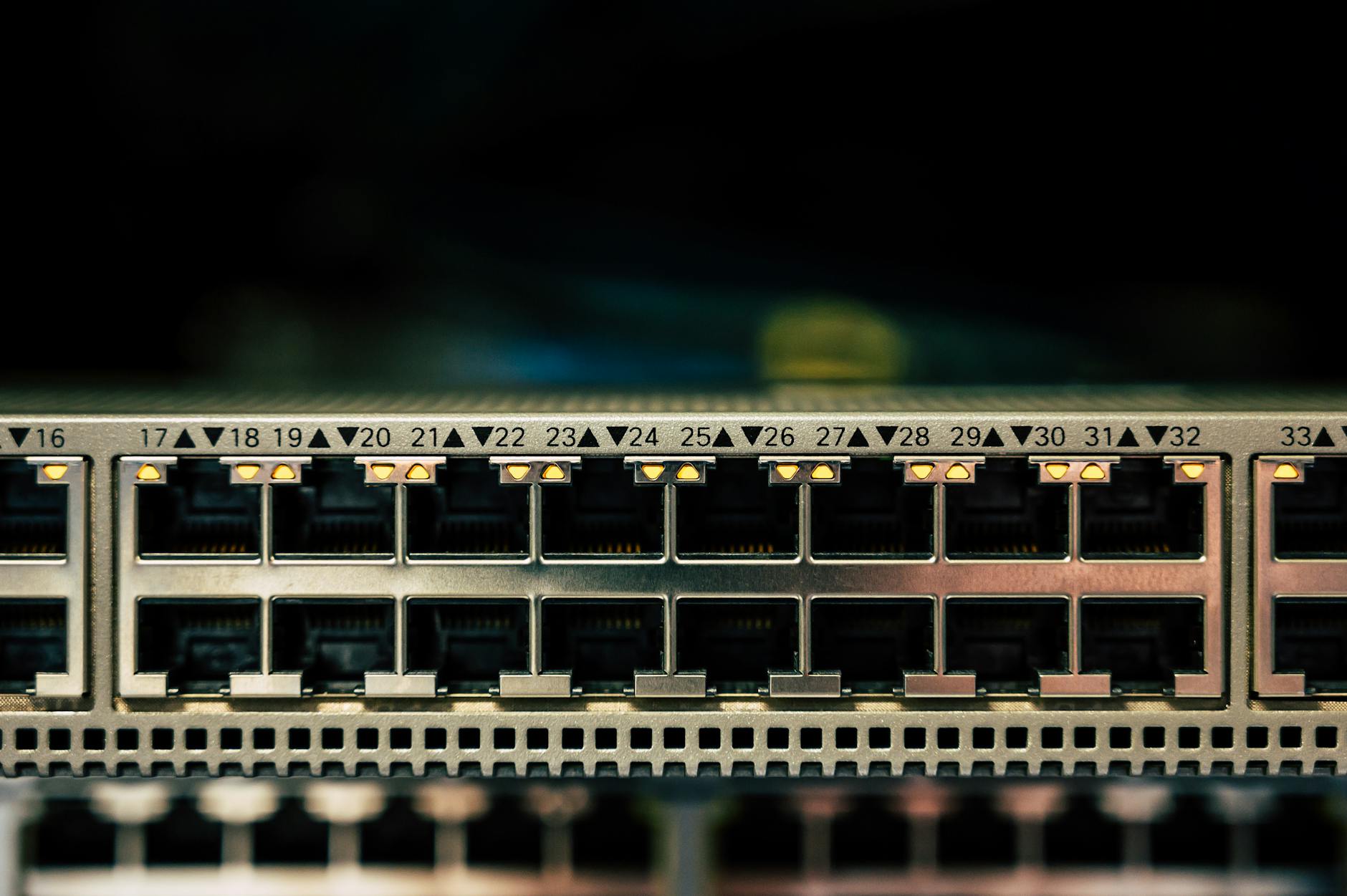
Photo by Brett Sayles on Pexels
If you want to restart router weekly and see an immediate lift in your connection speed, you’re not chasing a myth—you're leveraging solid network science. Modern routers are powerful but also complex, and a weekly power cycle can clear hidden bottlenecks, refresh firmware processes, and reclaim bandwidth that would otherwise be lost to memory leaks and stale connections.
1. Memory Leaks and Buffer Bloat: The Silent Speed Killers
Routers run embedded operating systems that allocate RAM for routing tables, NAT entries, and QoS (Quality of Service) queues. Over time, software bugs and heavy traffic can cause memory leaks—tiny chunks of RAM that never get released. When the router's memory fills up, it starts swapping data to slower flash storage, dramatically increasing latency. A simple reboot flushes the RAM, restoring the device to a clean state.
Real example: A family of four in Austin, TX, reported a 45% drop in download speeds after two weeks of continuous streaming. After a weekly reboot schedule was implemented, their speeds returned to the ISP‑advertised 200 Mbps within a day.
Actionable insight: Set a recurring reminder on your phone or use a smart plug with a timer to power‑cycle the router every Sunday at 3 AM, when household usage is minimal.
2. DHCP Table Overload: Why Devices Lose Speed
Dynamic Host Configuration Protocol (DHCP) assigns IP addresses to every device that joins the network. Each lease occupies a slot in the router’s DHCP table. When the table reaches capacity, new devices either get a higher‑latency fallback or the router spends extra CPU cycles re‑negotiating leases, slowing everyone down. A weekly reboot clears the table, forcing all devices to request fresh leases and re‑establish optimal paths.
Real example: In a coworking space in Berlin, the IT manager noticed that after a month of heavy guest traffic, Wi‑Fi speeds dipped below 10 Mbps. A nightly reboot reduced the average latency from 120 ms to 30 ms, restoring productivity.
Actionable insight: After each reboot, run a quick ipconfig /renew (Windows) or dhclient -r && dhclient (Linux/macOS) on critical workstations to ensure they receive fresh leases immediately.
3. Firmware Glitches and Security Patches: Staying Current Without a Manual Update
Many consumer routers automatically apply minor firmware patches during idle periods, but they often require a restart to activate. If the router isn’t rebooted, it continues running outdated code that can cause packet loss or sub‑optimal routing decisions. Regular restarts guarantee that any pending updates take effect, keeping the device both fast and secure.
Real example: A tech blogger in Seoul discovered that his router’s auto‑update for a security patch was stuck in a pending state for three weeks. After a weekly reboot habit, the patch applied, and his ping to international servers fell from 85 ms to 42 ms.
Actionable insight: Enable automatic firmware updates in your router’s admin console, then pair it with the weekly power cycle to let changes load without manual intervention.
4. QoS Re‑calibration: Prioritizing the Right Traffic
Quality of Service algorithms dynamically prioritize traffic based on usage patterns. Over days of heavy streaming or gaming, QoS tables can become skewed, inadvertently throttling low‑priority devices like smart thermostats or VoIP phones. Restarting the router resets QoS counters, allowing the system to re‑learn traffic priorities based on the current household mix.
Real example: A remote‑learning household in Vancouver reported that video calls kept dropping during evening study sessions. After instituting a weekly router reboot, the QoS engine re‑balanced, and call stability improved by 70%.
Actionable insight: After each reboot, verify your QoS settings (e.g., prioritize video conferencing or gaming) and adjust as needed to match the week’s usage trends.
Frequently Asked Questions
Q1: Will rebooting my router erase my Wi‑Fi password or custom settings?
A: No. A standard power cycle clears volatile memory but retains the configuration stored in flash memory. Your SSID, password, and custom rules remain intact. Only a factory reset wipes them.
Q2: How often is “weekly” enough? Can I reboot more frequently?
A: Weekly is a sweet spot for most households because it balances convenience with performance gains. Power‑cycling daily can be overkill and may shorten the lifespan of older hardware. If you notice persistent slowdowns, consider a bi‑weekly schedule instead.
Q3: My ISP provides a mesh system; does the same rule apply?
A: Absolutely. Each mesh node runs its own firmware and can suffer from the same memory‑leak and DHCP‑table issues. Reboot the primary node (often the gateway) weekly; the satellites will automatically reconnect and inherit the refreshed state.
Found this helpful? Share it with your tech-savvy friends! 💻
