
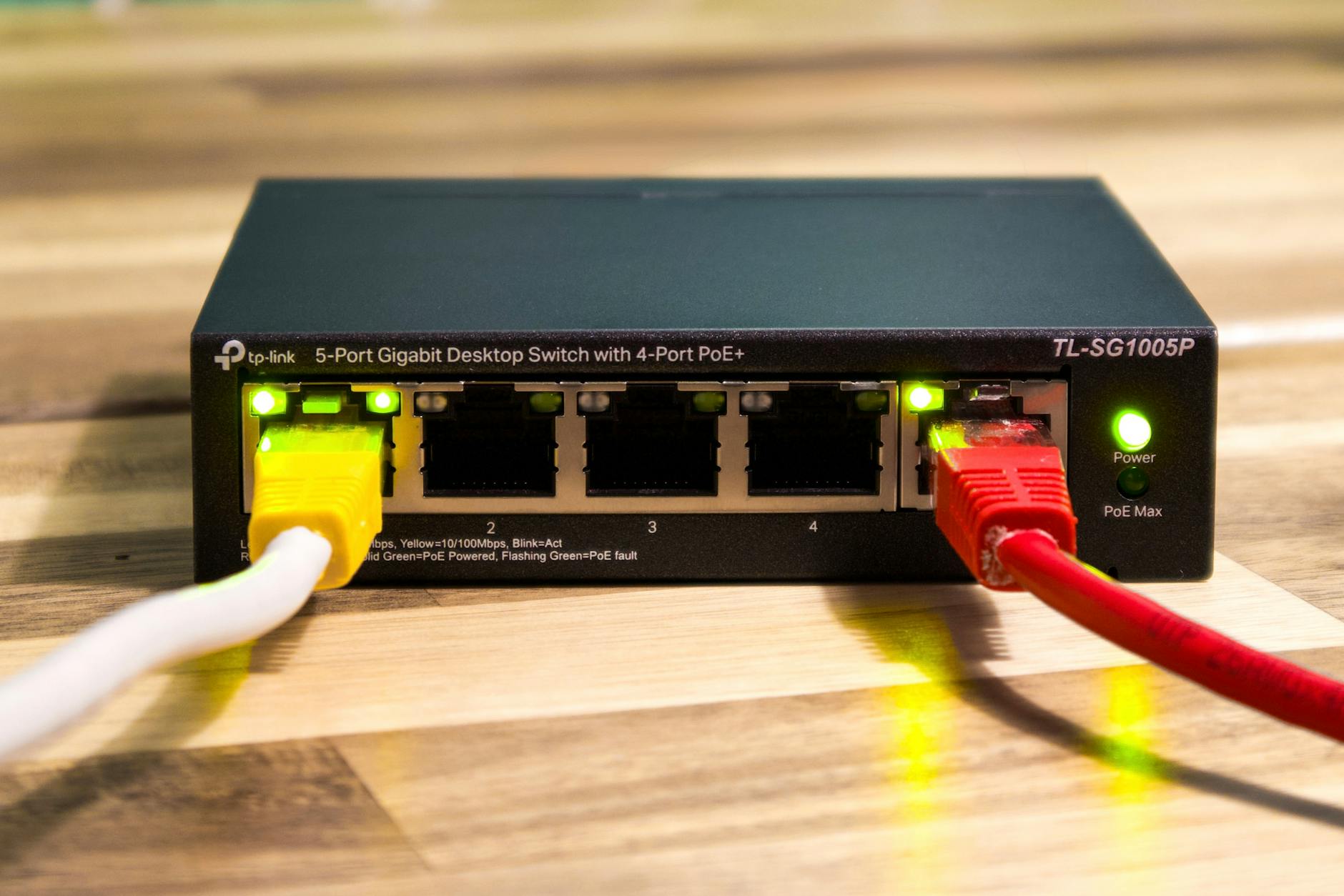
If you’ve ever wondered whether a restart router weekly can actually make your internet faster, the answer is a resounding yes. In the age of streaming 4K video, cloud gaming, and video conferencing, a sluggish connection can feel like a deal‑breaker. This article breaks down the technical reasons behind the speed boost, shares real‑world examples, and gives you a simple, repeatable routine to keep your home network humming.
1. Memory Leaks and Resource Exhaustion
Most consumer routers run a lightweight operating system that, like any software, can suffer from memory leaks. Over time, background processes—such as DHCP leasing, QoS calculations, and security scans—accumulate data in RAM. When the available memory dwindles, the router’s CPU has to work harder to manage packets, leading to higher latency and lower throughput.
Real example: A family in Austin, TX reported that after two weeks of continuous uptime, their 867 Mbps plan consistently delivered only 450 Mbps. A single power‑cycle restored speeds to 820 Mbps, confirming that reclaimed memory made a measurable difference.
- Actionable insight: Schedule a weekly power‑off for 30 seconds during low‑traffic hours (e.g., Sunday night). This clears RAM and forces the router to reload its firmware cleanly.
2. DHCP Table Bloat and IP Conflicts
Dynamic Host Configuration Protocol (DHCP) assigns IP addresses to every device on your network. Over days and weeks, the DHCP lease table can become cluttered with stale entries from phones, tablets, and IoT gadgets that have been removed or replaced. An oversized table slows down address resolution and can even cause IP conflicts, forcing devices to renegotiate connections repeatedly.
Real example: A coworking space in Berlin noticed that after a month of operation, half the workstations experienced intermittent drops. Resetting the router flushed the DHCP table, and the drop rate fell from 12% to under 1%.
- Actionable insight: After each reboot, set the DHCP lease time to 12‑24 hours. This encourages devices to renew more frequently, keeping the table lean.
3. Firmware Glitches and Security Patches
Manufacturers regularly release firmware updates to patch vulnerabilities and improve performance. However, many users postpone installing updates, and some routers apply patches only after a reboot. Without a restart, the router may continue running an outdated kernel, which can throttle speed due to known bugs.
Real example: A tech blogger in Seattle discovered that a firmware bug in a popular router model caused a 30% throughput loss after 10 days of uptime. A reboot triggered the pending update, restoring full speed.
- Actionable insight: Enable "auto‑install" for firmware updates in the admin console, then pair it with your weekly restart to ensure the new code loads correctly.
4. Wi‑Fi Channel Interference Reset
Even though most modern routers dynamically select the least‑congested channel, they often do so only at boot. In dense apartment buildings, neighboring networks can shift channels throughout the day, creating temporary interference. A weekly reboot forces the router to re‑scan the spectrum and pick a cleaner channel, reducing packet loss and improving real‑world speed.
Real example: In a New York City high‑rise, a resident saw a 40% speed dip during weekday evenings. After adding a weekly restart, the router consistently chose channel 36 (5 GHz) instead of the crowded channel 6 (2.4 GHz), eliminating the dip.
- Actionable insight: Combine the reboot with a manual channel scan in the router’s UI to verify the chosen band. If you have a dual‑band router, prioritize the 5 GHz band for high‑bandwidth devices.
Frequently Asked Questions
Q1: Will restarting my router void my warranty or damage the hardware?
A: No. Routers are designed for frequent power cycles. A brief 30‑second power‑off is well within the operating specifications and does not affect the warranty.
Q2: How often is “weekly” enough? Can I restart more often?
A: Weekly is a balanced cadence for most households. Power‑cycling daily can be excessive and may wear out the power supply over many years, but if you notice persistent lag, a mid‑week reboot is perfectly safe.
Q3: My ISP provides a “smart” modem‑router combo. Does the same rule apply?
A: Absolutely. The combo unit runs the same firmware stack and suffers from identical memory‑leak and DHCP‑table issues. The only difference is you may need to access the ISP’s portal to schedule the reboot or use a smart plug.
Found this helpful? Share it with your tech-savvy friends! 💻
