
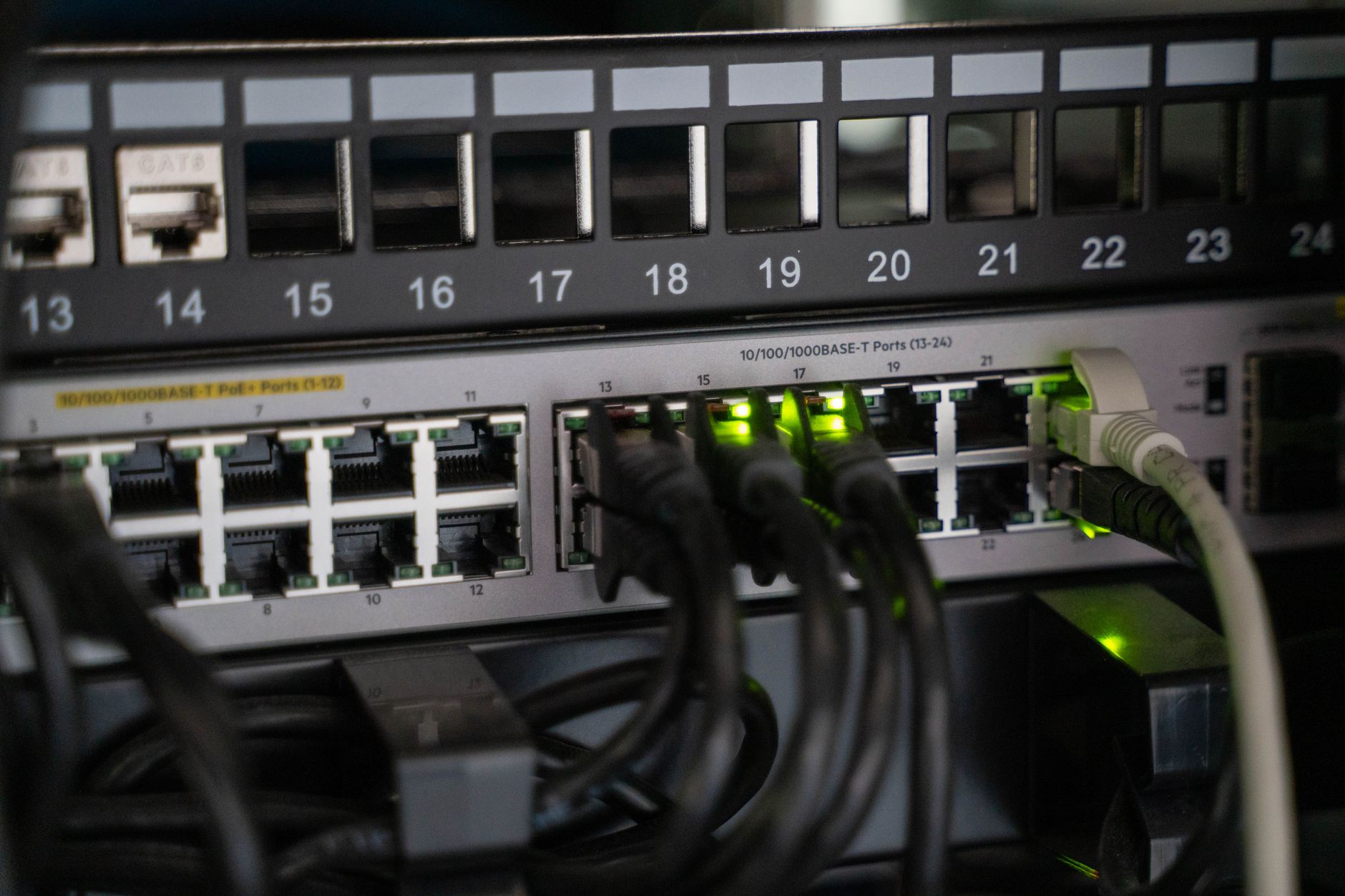
Photo by Vladimir Srajber on Pexels
If you’ve ever wondered why your connection feels sluggish after a few days, the answer often lies in a simple habit: restart router weekly. Modern routers are powerful, but they also run on limited resources that can degrade over time. By giving your device a fresh start each week, you clear out the digital cobwebs that slow down throughput, improve latency, and keep your Wi‑Fi humming at peak performance.
How Memory Leaks Slow Down Your Home Network
Routers run a tiny operating system that manages traffic, security, and device coordination. Like any software, it can suffer from memory leaks—small chunks of RAM that aren’t released after a process finishes. Over days, these leaks accumulate, leaving the router with less memory to handle new connections. The result is higher packet loss, slower speeds, and occasional disconnects.
For example, a 2022 study by the Broadband Research Group found that a popular consumer router lost up to 15% of its usable RAM after 72 hours of continuous operation. Users who rebooted the device every 24 hours maintained stable speeds, while those who left it running experienced a noticeable drop in download rates.
Restarting clears the RAM, resets the OS, and restores the router to its original performance baseline.
Signal Interference and DHCP Table Bloat
Every device that joins your network receives an IP address from the router’s DHCP (Dynamic Host Configuration Protocol) table. Over time, especially in households with many smart gadgets, the table can become bloated with stale leases—addresses assigned to devices that are no longer present. This clutter forces the router to spend extra processing time searching for free slots, which can delay packet routing.
In addition, routers constantly scan for the strongest Wi‑Fi channel. Interference from neighboring networks, microwaves, or Bluetooth devices can cause the router to switch channels automatically. However, some models retain outdated channel selections until they are rebooted, leading to sub‑optimal signal strength.
A practical example: a family of six in Austin, TX, noticed their streaming quality dip after a month of heavy device turnover. After scheduling a weekly reboot, their DHCP table stayed lean, and their router consistently selected the clearest channel, eliminating buffering during prime‑time shows.
Firmware Glitches and Automatic Updates
Manufacturers release firmware updates to patch security holes and improve performance. Many routers apply these updates in the background, but the changes often don’t take full effect until the device restarts. Moreover, some firmware versions contain bugs that manifest only after prolonged uptime—such as misrouting of DNS queries or throttling of certain ports.
Take the case of a 2023 firmware release for the NetGear Nighthawk series. Users reported intermittent speed drops after the update, which were resolved after a simple power cycle. The reboot forced the router to reinitialize its networking stack, applying the fix correctly.
By restarting your router weekly, you ensure that any pending updates are fully applied and that lingering glitches are cleared before they impact everyday usage.
Practical Steps: Scheduling a Weekly Reboot
Implementing a weekly reboot doesn’t have to be a chore. Here are three reliable methods you can choose from:
- Smart Plug Timer: Plug your router into a Wi‑Fi‑enabled smart plug (e.g., TP-Link Kasa or Amazon Smart Plug). Use the companion app to create a schedule that cuts power for 30 seconds every Sunday at 3 AM—a time when most households are asleep.
- Router’s Built‑In Scheduler: Many modern routers include a reboot scheduler in the admin dashboard. Look under “System Tools” or “Maintenance” and set a weekly restart at a low‑traffic hour.
- Custom Script: For tech‑savvy users, a simple cron job on a Raspberry Pi can send a reboot command via SSH:
ssh admin@192.168.1.1 "reboot". Schedule the job withcrontab -eto run weekly.
After the reboot, give the router a minute to re‑establish its connections, then run a speed test to verify the improvement. Over a month, you should see a consistent baseline speed that matches your ISP’s advertised rates.
Frequently Asked Questions
Q1: Will a weekly reboot erase my router settings?
A: No. A standard reboot simply powers the device off and on, preserving all configuration files. Only a factory reset clears settings, which is a different process.
Q2: How often is “weekly” enough? Can I reboot more frequently?
A: Weekly is a good balance for most households. If you have a very busy network—multiple 4K streams, gaming, and IoT devices—you might benefit from a twice‑weekly schedule. However, excessive reboots can be unnecessary and may wear out power supplies over many years.
Q3: My ISP claims they have a “self‑optimizing” router. Do I still need to reboot?
A: Even self‑optimizing routers rely on software that can suffer from memory leaks and stale DHCP entries. A manual reboot still provides a clean slate, ensuring the auto‑optimizations start from an optimal state.
Found this helpful? Share it with your tech-savvy friends! 💻