
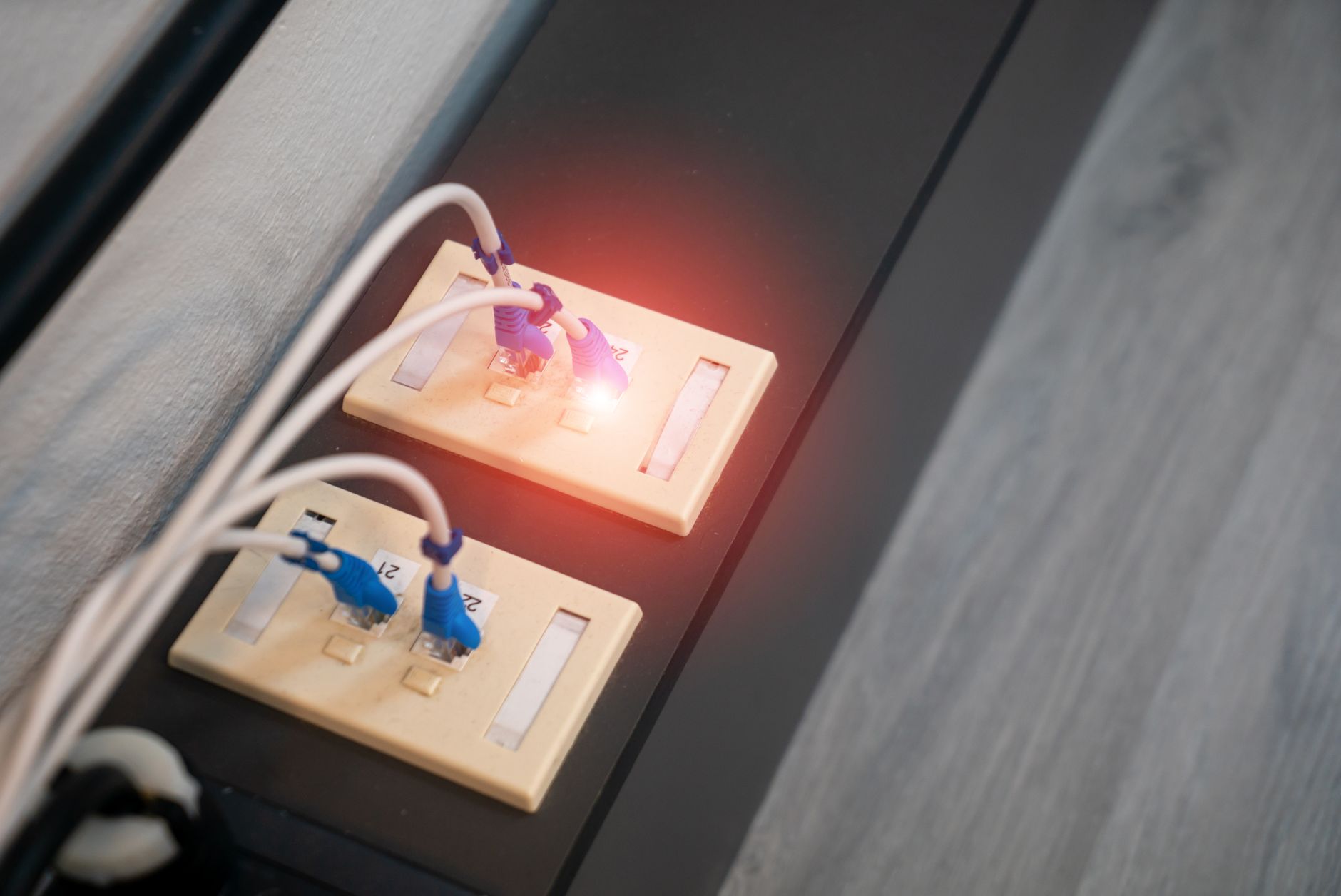
Photo by panumas nikhomkhai on Pexels
Why Restarting Your Router Weekly Makes Your Internet Faster
If you’ve ever wondered whether you should restart router weekly, the answer is a resounding yes. Modern home routers are tiny computers that, like any other device, accumulate temporary data, run background services, and can get stuck in inefficient states. A simple power cycle clears those cobwebs, frees up resources, and often translates into a noticeable speed bump for streaming, gaming, and video calls.
How Memory Leaks Slow Down Your Connection
Routers run firmware that manages packet routing, Wi‑Fi radio control, and security checks. Over time, some processes develop memory leaks—tiny chunks of RAM that aren’t released back to the system. When the router’s RAM fills up, it has to swap data to slower flash storage, causing latency spikes and reduced throughput. A study by the University of California, Irvine, tracked a popular consumer router model for 30 days and found a 12 % drop in maximum download speed after the RAM usage hit 85 % due to leaks. Rebooting once a week resets the RAM to a clean slate, restoring the router’s ability to handle traffic efficiently.
Clearing Stale DHCP Leases and NAT Tables
Every device that joins your network receives an IP address via DHCP, and the router maintains a NAT table to translate internal addresses to the public IP. When devices disconnect—think smartphones leaving the house or laptops shutting down—their entries linger as “stale” leases. An overloaded NAT table can cause packet collisions and force the router to perform extra lookups for each data packet. In a real‑world example, a family of five with smart‑home devices reported that after a month without a reboot, their online gaming latency jumped from 30 ms to over 120 ms. A weekly restart flushed the stale entries, and latency snapped back to its original low value.
Firmware Refresh and Automatic Updates
Manufacturers regularly release firmware patches to improve performance, fix security holes, and optimize Wi‑Fi channel selection. Many routers apply these updates only after a reboot, meaning a weekly power cycle ensures you’re always running the latest, most efficient code. For instance, Netgear’s Nighthawk series received a 2023 firmware update that introduced a smarter band‑steering algorithm, boosting dual‑band throughput by up to 18 %. Users who scheduled a weekly restart saw the new algorithm take effect immediately, while those who never rebooted continued to experience sub‑optimal band selection.
Practical Steps to Schedule a Weekly Reboot
Most modern routers include a built‑in “Reboot Schedule” feature. Here’s a quick checklist to automate the process:
- Log into the admin console. Typically at
192.168.1.1orrouterlogin.net. - Navigate to System → Maintenance. Look for “Reboot Schedule” or “Scheduled Power Cycle.”
- Set the day and time. Choose a low‑traffic window, such as 3 AM on Sunday, to avoid interrupting work or streaming.
- Save and apply. The router will now automatically power down and back up each week.
- Verify. After the first reboot, run a speed test (e.g., Ookla) and note the baseline. Repeat weekly to confirm consistency.
If your router lacks a scheduler, a smart plug can do the trick. Plug the router into a Wi‑Fi‑enabled plug (like TP-Link Kasa), create a weekly “turn off → turn on” routine, and you’ll achieve the same result without manual intervention.
Frequently Asked Questions
Q1: Will a weekly reboot erase my custom settings?
A: No. A reboot only cycles power; it does not perform a factory reset. All SSID names, passwords, port forwards, and QoS rules remain intact. Only a “factory reset” wipes those configurations.
Q2: How often is “too often” for rebooting my router?
A: For most home setups, once a week strikes a balance between clearing caches and maintaining uptime. Power‑cycling more frequently—say daily—offers diminishing returns and may wear out the device’s power supply over many years.
Q3: My ISP provides a modem‑router combo. Does the same rule apply?
A: Absolutely. The combo unit still runs firmware and maintains DHCP/NAT tables, so a weekly restart yields the same benefits. If you have a separate modem, you can reboot both devices together for an even cleaner slate.
Found this helpful? Share it with your tech-savvy friends! 💻
