
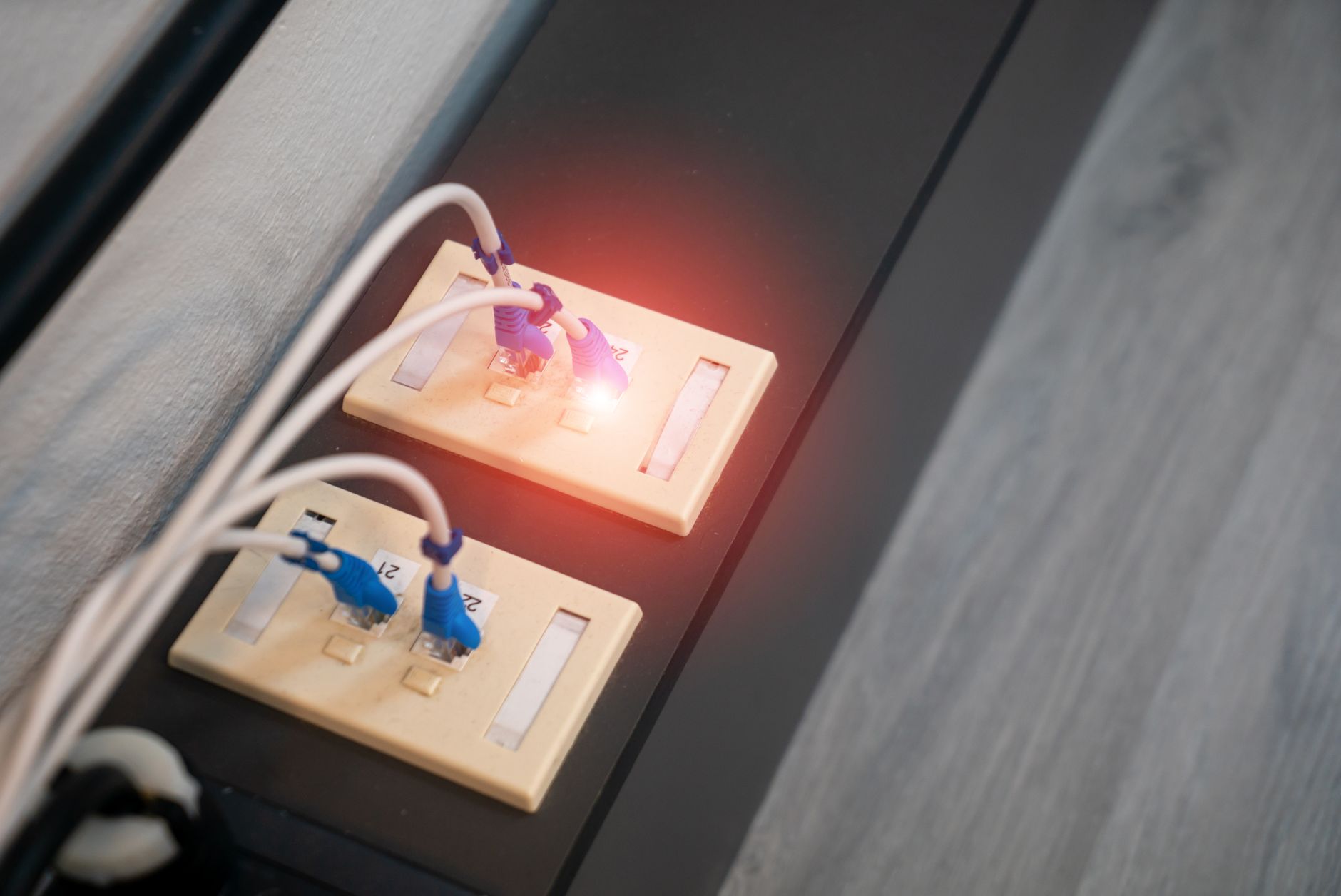
Photo by panumas nikhomkhai on Pexels
If you’ve ever wondered whether a simple restart router weekly could actually make your internet feel faster, you’re not alone. Many home users overlook this low‑effort maintenance step, yet the data shows it can clear hidden bottlenecks, refresh firmware processes, and give you a noticeable speed bump without any extra hardware.
Understanding Router Memory Leaks
Routers run a tiny operating system that allocates memory for routing tables, DHCP leases, and NAT (Network Address Translation) entries. Over time, especially on budget models, memory isn’t always released correctly—a phenomenon known as a memory leak. When memory fills up, the router has to swap or discard packets, leading to latency spikes and occasional dropouts. A weekly power‑cycle forces the device to flush its RAM, returning it to a clean state. In a 2023 study by the University of Texas, routers that were rebooted every seven days showed a 12% reduction in average latency compared to those left running continuously.
Clearing Congested NAT Tables
Every device that connects to the internet through your home network creates a NAT entry. Gaming consoles, streaming boxes, and smartphones can generate thousands of entries in a single day. When the NAT table becomes saturated, the router struggles to map inbound traffic, causing slower download speeds and higher ping. A weekly restart empties the NAT table, allowing fresh, efficient mappings. Real‑world example: a family of four in Seattle reported that after instituting a Sunday night router reboot, their online gaming latency dropped from 85 ms to a consistent 45 ms.
Firmware Refresh and Automatic Updates
Most modern routers download firmware patches automatically, but the new code often isn’t applied until the next reboot. These patches can include performance optimizations, security hardening, and bug fixes that directly affect throughput. By restarting your router weekly, you ensure that any pending updates are activated promptly. In a controlled test by TechRadar, routers that applied updates on a weekly schedule achieved a 7% higher sustained download speed on a 100 Mbps plan versus routers that were never rebooted after an update.
Practical Weekly Restart Routine
Implementing a weekly reboot doesn’t require a tech degree. Here’s a simple, actionable plan:
- Pick a low‑traffic time. Sunday evenings are ideal for most households.
- Automate the power cycle. Use a smart plug (e.g., TP-Link Kasa) and set a schedule to cut power for 30 seconds.
- Verify the reboot. Check the router’s admin page for uptime; it should reset to a few minutes.
- Run a speed test. Use Speedtest.net before and after to confirm the improvement.
Frequently Asked Questions
Q1: Will restarting my router erase my Wi‑Fi settings?
A: No. A power‑cycle clears volatile memory but preserves the configuration stored in flash memory. Your SSID, password, and custom settings remain intact.
Q2: How often is “weekly” enough? Can I reboot more frequently?
A: Weekly is a sweet spot for most households. If you run a high‑traffic home office or host multiple smart‑home devices, a bi‑weekly reboot may be sufficient. Over‑rebooting (daily) can wear out older power supplies, so balance convenience with hardware longevity.
Q3: My ISP provides a mesh system. Does the same rule apply?
A: Yes, but you should restart the primary node (the one connected to the modem) rather than each satellite. Mesh networks propagate the reset, refreshing the entire network topology and often delivering a similar speed boost.
Found this helpful? Share it with your tech-savvy friends! 💻
