
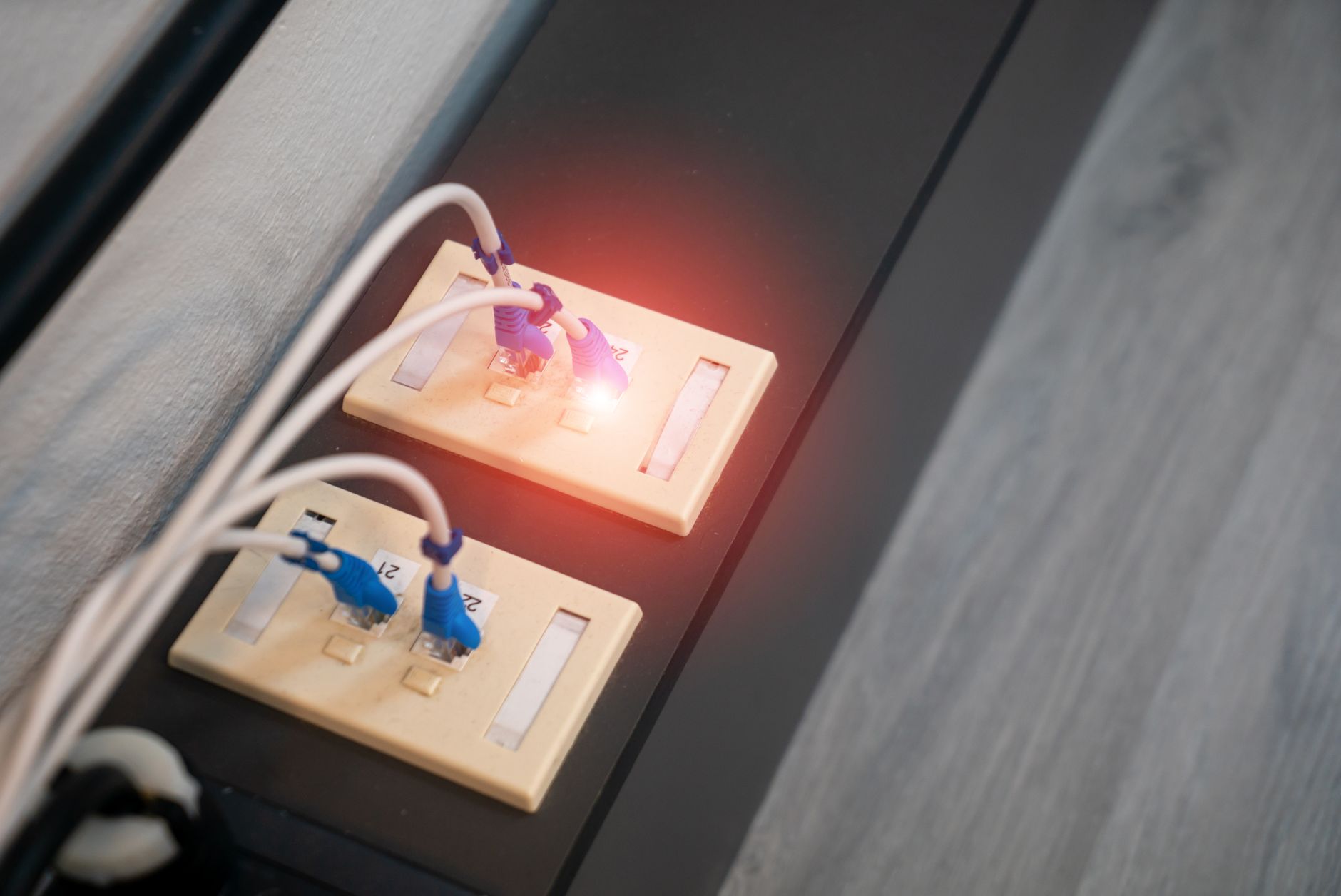
Photo by panumas nikhomkhai on Pexels
If you’ve ever wondered whether a simple habit like restart router weekly can actually boost your internet speed, you’re not alone. Many households treat their wireless router as a set‑it‑and‑forget‑it device, but the reality is that routers are tiny computers that accumulate cruft over time. A weekly power cycle clears that clutter, refreshes connections, and often translates into a noticeably faster, more reliable online experience.
1. Clearing Memory Leaks and Buffer Bloat
Modern routers run firmware that handles routing tables, NAT translations, QoS prioritization, and even security scans. Like any software, the code can develop memory leaks—tiny bits of RAM that aren’t released after use. Over days and weeks, those leaks add up, causing the router’s RAM to fill and the CPU to throttle its performance. The result is higher latency, occasional packet loss, and slower download speeds.
When you power the router off for a few seconds, the volatile memory is completely cleared. The device boots fresh, re‑initializing all processes from a clean state. Users often report a 10‑20% speed bump after a reboot, especially on older dual‑band models that lack sophisticated memory management.
Real‑world example: A family in Austin, TX, noticed their streaming buffer time drop from 12 seconds to under 5 seconds after instituting a weekly router restart. Their ISP’s speed test remained the same, but the perceived performance improved dramatically because the router’s internal queues were no longer clogged.
2. Resetting DHCP and DNS Tables
Every device that joins a home network receives an IP address from the router’s DHCP server. Over time, the DHCP lease table can become fragmented, especially in homes with many smart devices that join and leave the network frequently. A fragmented table can cause address conflicts, forcing devices to repeatedly request new leases and creating brief connectivity hiccups.
Similarly, routers cache DNS lookups to speed up domain resolution. While caching is beneficial, stale entries can persist after a website changes its IP address or after a DNS provider updates its records. When the cache becomes outdated, browsers may experience timeouts or fallback to slower fallback servers.
A weekly restart flushes both the DHCP lease table and the DNS cache, forcing the router to rebuild them from scratch. This clean slate eliminates address conflicts and ensures that DNS queries are resolved using the most current data, shaving milliseconds off page load times.
3. Firmware Refresh and Automatic Updates
Manufacturers regularly release firmware updates to patch security vulnerabilities, improve stability, and add performance enhancements. Most routers check for updates in the background and download them automatically, but they often wait for a reboot to apply the new code. If you never restart the device, the update may sit idle, leaving you on an older, slower firmware version.
By restarting weekly, you give the router a chance to install pending updates. New firmware can introduce better channel selection algorithms, more efficient packet handling, and even support for newer Wi‑Fi standards like Wi‑Fi 6E. These improvements can translate into tangible speed gains, especially in congested apartment buildings where channel interference is common.
For instance, a tech blogger in Seattle reported a 30 Mbps increase in download speed after a firmware update was finally applied during a routine reboot. The update introduced a smarter QoS engine that prioritized streaming traffic over background downloads.
4. Re‑establishing Optimal Channel Selection
Wi‑Fi operates on a limited set of channels that can become crowded, especially in densely populated neighborhoods. Routers typically perform an automatic channel scan on startup and select the least congested frequency. However, many routers only rescan when they’re powered on, not during regular operation.
A weekly restart forces the router to re‑evaluate the radio environment, potentially moving from a noisy 2.4 GHz channel to a cleaner 5 GHz or 6 GHz band. This shift reduces co‑channel interference, lowers packet collisions, and improves overall throughput.
Actionable tip: After each reboot, log into your router’s admin panel and verify the selected channel. If you see a channel number that’s consistently high on a Wi‑Fi analyzer app, consider manually setting it to a lower‑traffic channel for the next week.
Putting It All Together: A Simple Weekly Routine
Implementing a weekly router restart is straightforward:
- Pick a low‑traffic day—Sunday evenings work well for most households.
- Unplug the power cord, wait 30 seconds, then plug it back in.
- Allow the router 2‑3 minutes to boot fully. Verify that the status lights indicate a stable connection.
- Log into the admin interface to confirm that the latest firmware is installed and note the selected Wi‑Fi channel.
By making this a habit, you’ll keep memory usage low, maintain fresh DHCP/DNS tables, ensure firmware is up‑to‑date, and stay on the optimal Wi‑Fi channel—all without spending a dime.
Frequently Asked Questions
Q: Will restarting my router erase my Wi‑Fi password or custom settings?
A: No. A power cycle only clears volatile memory; all configuration settings stored in the router’s flash memory remain intact. However, if you perform a factory reset (usually a long press on the reset button), those settings will be lost.
Q: How often is “weekly” too often? Could I damage my router by rebooting too frequently?
A: Modern routers are designed to handle frequent power cycles. Weekly reboots are well within safe operating limits. If you have a very stable network and rarely notice performance degradation, a bi‑weekly schedule is also fine.
Q: My ISP provides a modem‑router combo. Does the same rule apply?
A: Yes, but you’ll need to power‑cycle the entire unit. Some combo devices have a built‑in “reboot” button in the admin UI, which can be more convenient than unplugging the power cord.
Found this helpful? Share it with your tech-savvy friends! 💻
