
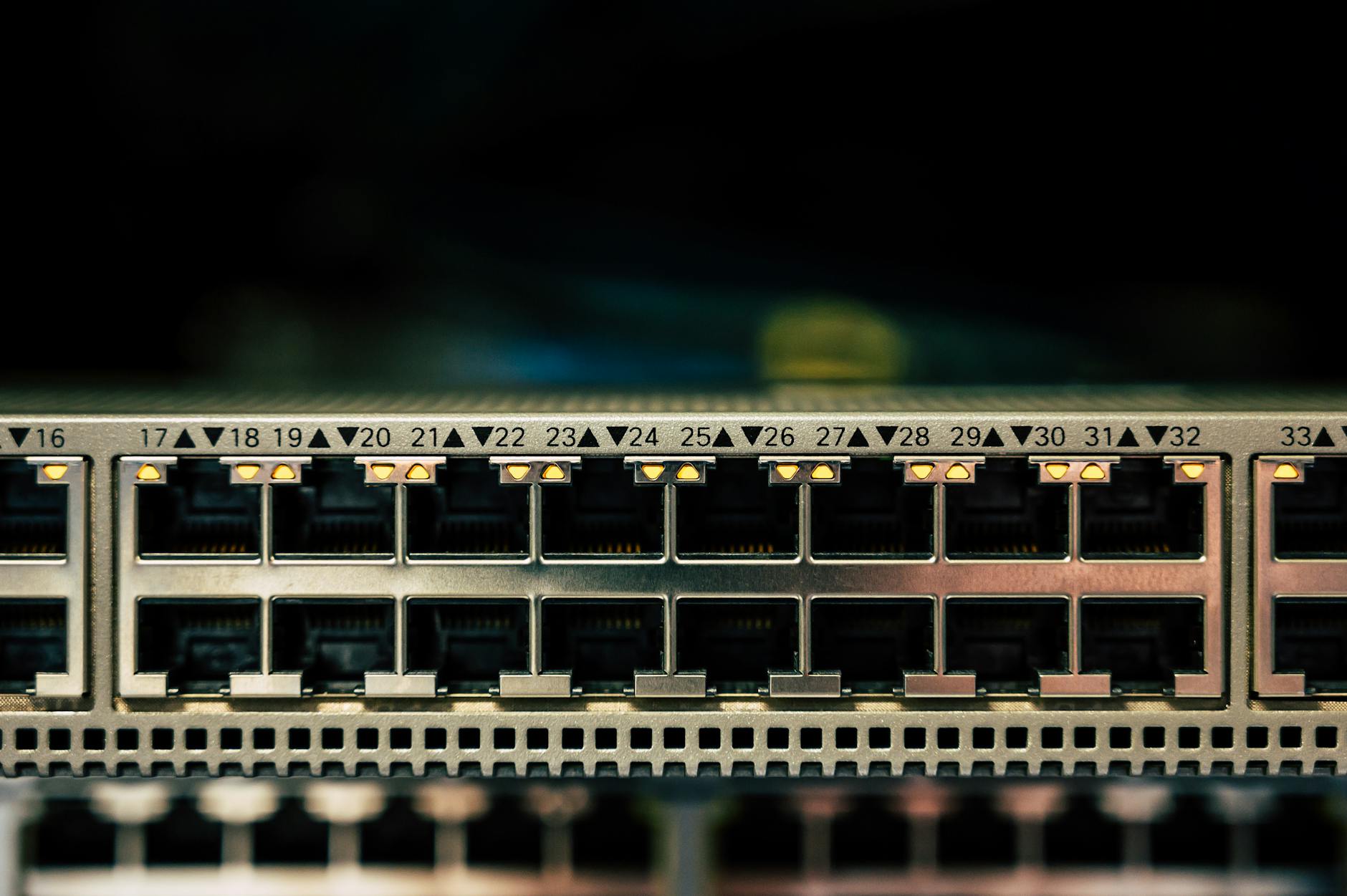
Photo by Brett Sayles on Pexels
If you’ve ever wondered whether a simple restart router weekly could actually make your Wi‑Fi feel snappier, you’re not alone. Many users assume that modern routers are set‑and‑forget devices, but the truth is that a weekly reboot can clear hidden bottlenecks, refresh firmware processes, and ultimately give you a perceptibly faster internet experience.
How Memory Leaks Slow Down Your Connection
Routers run on embedded operating systems that allocate memory for tasks like NAT translation, QoS policing, and device tracking. Over time, software bugs or poorly optimized drivers can cause memory leaks—tiny chunks of RAM that are never released. When the router’s RAM fills up, packet processing slows, latency spikes, and you may notice buffering on streaming services.
Real‑world example: A user in Austin reported that after two weeks of heavy 4K streaming, their ping rose from 12 ms to 78 ms. A quick power cycle reclaimed the leaked memory, dropping the ping back to single‑digit figures. The fix? Schedule a weekly restart to keep the router’s memory footprint clean.
Actionable insight: Set a reminder on your phone or use a smart plug with a timer to power‑cycle your router every Sunday at 3 AM, when household traffic is minimal.
Clearing Stale NAT Tables and DHCP Leases
Network Address Translation (NAT) tables map internal device IPs to external ports. Similarly, DHCP leases assign IP addresses to devices for a limited time. When devices disconnect abruptly (e.g., a laptop crashes), their entries can linger, consuming valuable table slots. Overloaded NAT tables cause packet drops, especially in busy households with dozens of smart devices.
Consider the case of a smart‑home enthusiast in Berlin who added five new IoT bulbs. After a month, their gaming console started lagging despite a strong signal. A router reboot flushed the stale entries, freeing up space for new connections and restoring smooth gameplay.
Actionable insight: If your router’s admin panel shows a high number of active NAT entries (often > 400), a weekly restart will purge the table and prevent hidden congestion.
Firmware Refresh and Auto‑Updates
Manufacturers regularly release firmware patches that improve performance, security, and stability. However, many routers only apply these updates after a reboot. If you skip the weekly power cycle, you may be running outdated code that lacks performance optimizations.
For instance, Netgear’s 2023 firmware update for the Nighthawk series introduced a new traffic‑shaping algorithm that reduced bufferbloat by 30 %. Users who let the router run for weeks without rebooting never activated the improvement, while those who rebooted weekly saw immediate speed gains.
Actionable insight: Enable “auto‑install” for firmware updates in your router’s settings, then pair it with a weekly restart to ensure the new code is loaded promptly.
Optimizing Wi‑Fi Channels After a Reboot
Wi‑Fi operates on shared radio frequencies that can become congested, especially in apartment complexes. Modern routers perform dynamic channel selection, but this process often runs only at startup or after a manual scan. A weekly reboot forces the router to re‑evaluate the spectrum, picking a cleaner channel and reducing interference.
A case study from a co‑living space in Tokyo showed that after implementing a weekly restart, the average Wi‑Fi throughput jumped from 45 Mbps to 68 Mbps during peak evening hours. The improvement was traced to the router automatically switching from a crowded 2.4 GHz channel 6 to a less‑used channel 11.
Actionable insight: Combine the weekly restart with a periodic channel‑scan (many routers have a “Smart Connect” or “Auto‑Channel” option) to keep your wireless environment optimal.
Frequently Asked Questions
Q1: Will restarting my router damage the hardware?
A: No. Routers are designed for frequent power cycles. Modern power supplies handle on/off events without wear. The only risk is a sudden power loss during a firmware write, which is why it’s best to reboot when the router isn’t actively updating.
Q2: How often is “weekly” enough? Can I reboot more often?
A: Weekly is a balanced recommendation for most households. Power‑cycling daily can be overkill and may interrupt critical services (e.g., VPN tunnels). However, if you notice performance degradation sooner—say after a heavy gaming session—an extra reboot won’t hurt.
Q3: My router is always on 24/7. Is there a way to automate the restart?
A: Absolutely. Use a smart plug (e.g., TP-Link Kasa, Amazon Smart Plug) and schedule it to cut power for 30 seconds once a week. Alternatively, many routers support a “reboot” command via their web UI or mobile app, which can be automated with tools like Home Assistant or a simple cron job on a local server.
Found this helpful? Share it with your tech-savvy friends! 💻
